


Noise, vibration, radiation
Noise level measurements help businesses monitor and manage noise exposure, ensure employee safety, and comply with environmental regulations.
The research covers the following aspects
Determining the impact of vibration from various sources
●Identify different sources of vibration, such as industrial equipment, construction work, vehicles, etc.
●Vibration measurements can be performed on any surface that is exposed to vibration, such as the bottom of production areas, buildings, transportation routes, etc.
● Comparison of measured values with regulatory requirements and standards governing permissible vibration levels. Identification of potential effects of vibration on people, buildings, structures or natural objects. Development of recommendations and measures to reduce or manage the impact of vibration on the environment and human health
● Based on the results of the measurements and vibration impact assessment, a detailed report is prepared, including measurement results, comparison with regulatory requirements, description of possible consequences and recommendations for further vibration impact management.
Conducting noise level measurements
● Selecting strategic measurement locations where noise detection is most critical, such as the Sanitary Protection Zone of enterprises, work areas, equipment areas, loudspeaker locations, or other noise sources.
● Noise levels are measured using specialized sound level meters or sound level meters that have the appropriate characteristics and can measure and record noise in appropriate units, such as decibels (dB)
●Noise level measurements are made over a long period of time to obtain representative noise level data over a working day or a long production period.
● The obtained noise level data is analyzed, evaluated and compared with the established norms and standards.
● Based on the results of noise measurements, noise reduction measures can be developed and recommended. These may include technical changes, installation of soundproofing materials, optimization of equipment operation, or other measures to reduce the impact of noise on employees and the environment.
Alpha particle flux density measurement
● To measure the flux density of alpha particles, special radiometric devices are used that are capable of registering alpha particles and determining their number
● To ensure the accuracy of measurements, you need to prepare the measurement site. This may include cleaning the surfaces on which the measurements will be made, installing protective barriers or measures to reduce the influence of external factors on the measurements.
● The alpha flux density is measured using a suitable instrument. Samples are collected from the air or from surfaces that may be potential sources of alpha radiation and are measured with the instrument.
● The obtained data on the alpha particle flux density are analyzed, evaluated and compared in accordance with the established norms and standards.
● If the permissible values of the alpha particle flux density are exceeded, the company may develop and implement measures to reduce the impact of alpha radiation, such as installing protective systems, improving technological processes, or introducing personal protection for employees.
Measurement of beta particle flux density
● To measure the density of beta particle flux, special radiometric devices are used that can register alpha particles and determine their number.
●To ensure the accuracy of measurements, it is necessary to prepare the measurement site. This may include cleaning the surfaces on which the measurements will be made, installing protective barriers or measures to reduce the impact of external factors on the measurements.
●The beta particle flux density is measured using a suitable instrument. Samples are collected from the air or from surfaces that may be potential sources of beta radiation and are measured with the instrument.
●The obtained data on the beta particle flux density are analyzed, evaluated and compared in accordance with the established norms and standards.
● In case of exceeding the permissible values of the beta particle flux density, the company may develop and implement measures to reduce the impact of beta radiation, for example, installing protective systems, improving technological processes or introducing personal protection for employees.

Measurement of gamma radiation
●To measure gamma radiation, gamma radiometers are used, which are specialized devices for measuring the level of gamma radiation. These devices are capable of recording and measuring the intensity of gamma radiation.
● Before measuring gamma radiation, it is necessary to prepare the measurement site. This may include cleaning the surfaces on which the measurements will be made, installing protective barriers or measures to reduce the influence of external factors on the measurement.
● A gamma radiometer measures gamma radiation. Samples are collected from air, soil, water, or surfaces that could be potential sources of gamma radiation.
● The received data on the level of gamma radiation are analyzed, evaluated and compared with the established norms and standards.
● In case of exceeding the established standards for gamma radiation levels, enterprises should develop and implement measures to reduce exposure to gamma radiation. This may include technological changes, installation of protective systems, or provision of personal protection to employees.
Noise, vibration, and radiation measurements help to confirm the compliance of enterprises with established quality standards and demonstrate their commitment to quality production, environmental compliance, and responsible business practices.
The main reasons for such measurements include:
Noise, vibration and radiation measurements help determine the level of exposure to these factors. This helps to identify possible risks to employee health and take measures to protect them. Based on the data obtained, technical measures can be developed and standards established to reduce noise, vibration and radiation to safe levels.
Noise, vibration and radiation measurements also help assess the impact of these factors on the environment. They help to identify possible negative effects on nature, water resources, vegetation and wildlife. Based on the data obtained, measures can be taken to reduce the negative impact of enterprises on the environment and comply with established standards.
Environmental measurements of noise, vibration and radiation are mandatory under Ukrainian law. Businesses are required to comply with established norms and standards for noise, vibration and radiation levels. Measurements help to confirm compliance with these standards and ensure compliance with legal requirements.
Measurements of these parameters help determine how well they meet the established regulations and standards. This is especially important for businesses that are subject to noise, vibration, and radiation limits set by regulatory authorities.
Compliance with the established standards and regulations not only helps ensure employee safety and environmental protection, but also helps to increase the trust of consumers and partners in the company. Meeting the requirements of quality standards demonstrates the company’s high responsibility to its customers and social responsibility in the field of the environment.


Why we?
Expertise
A staff of expert ecologists with vast practical experience
Speed
(execution of work within the set time) - Mobile and high-precision equipment for on-site measurements
Mobility
modern and portable equipment for field measurements
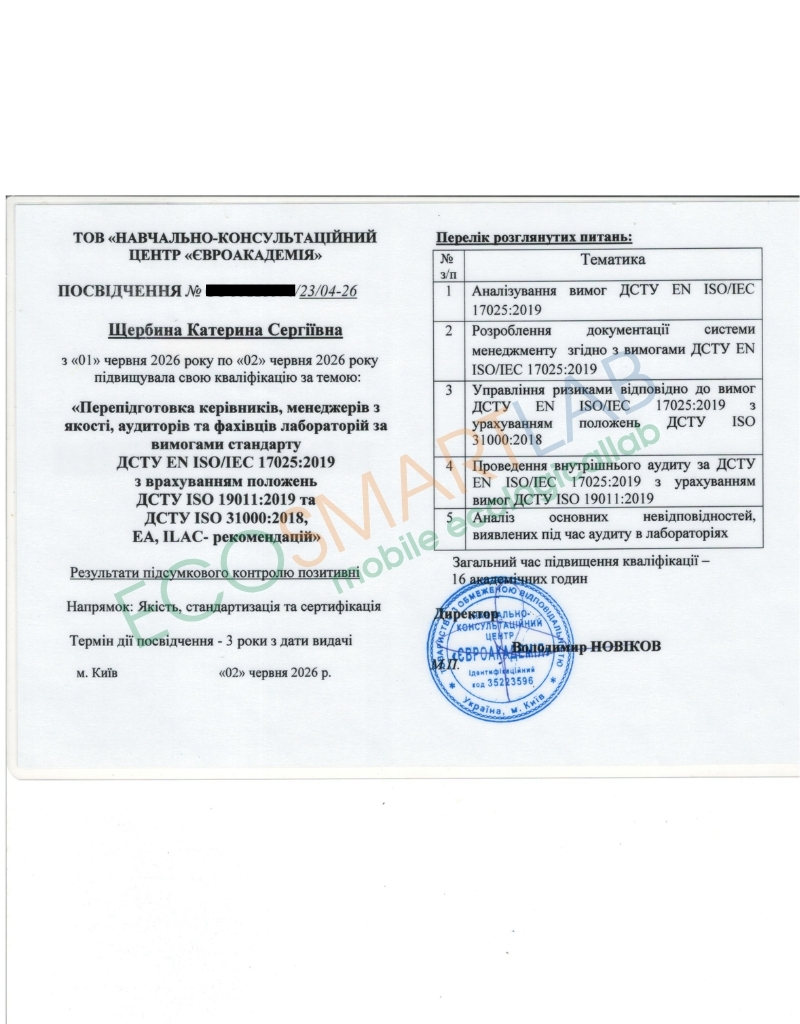
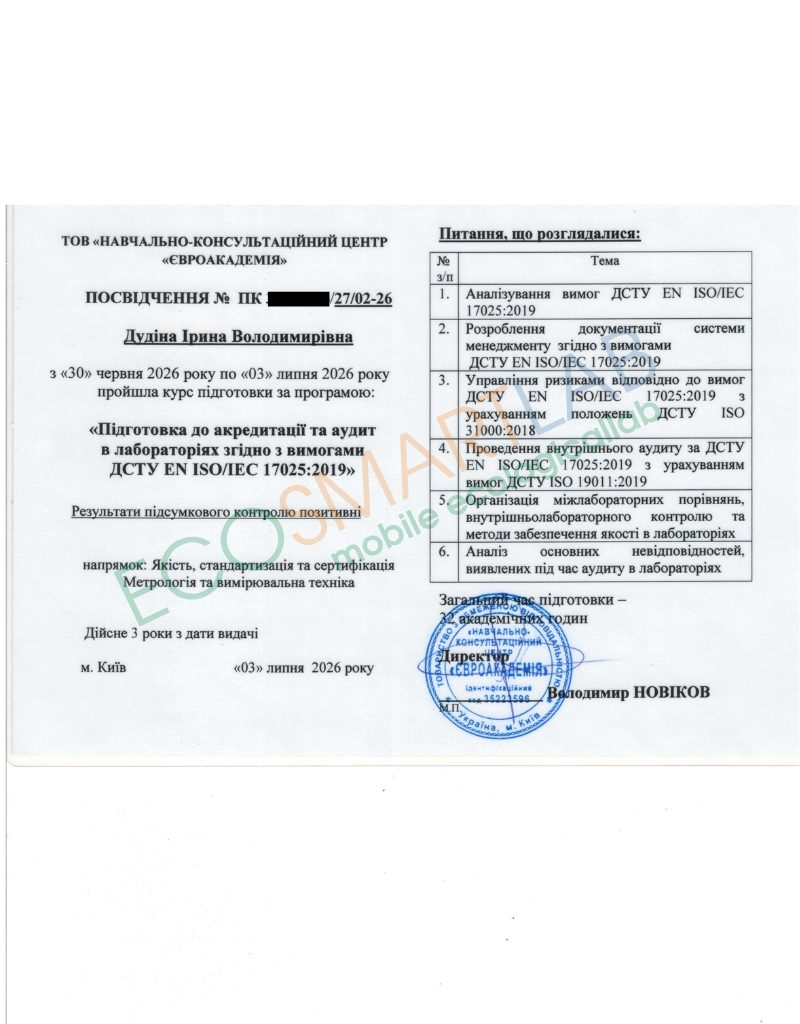
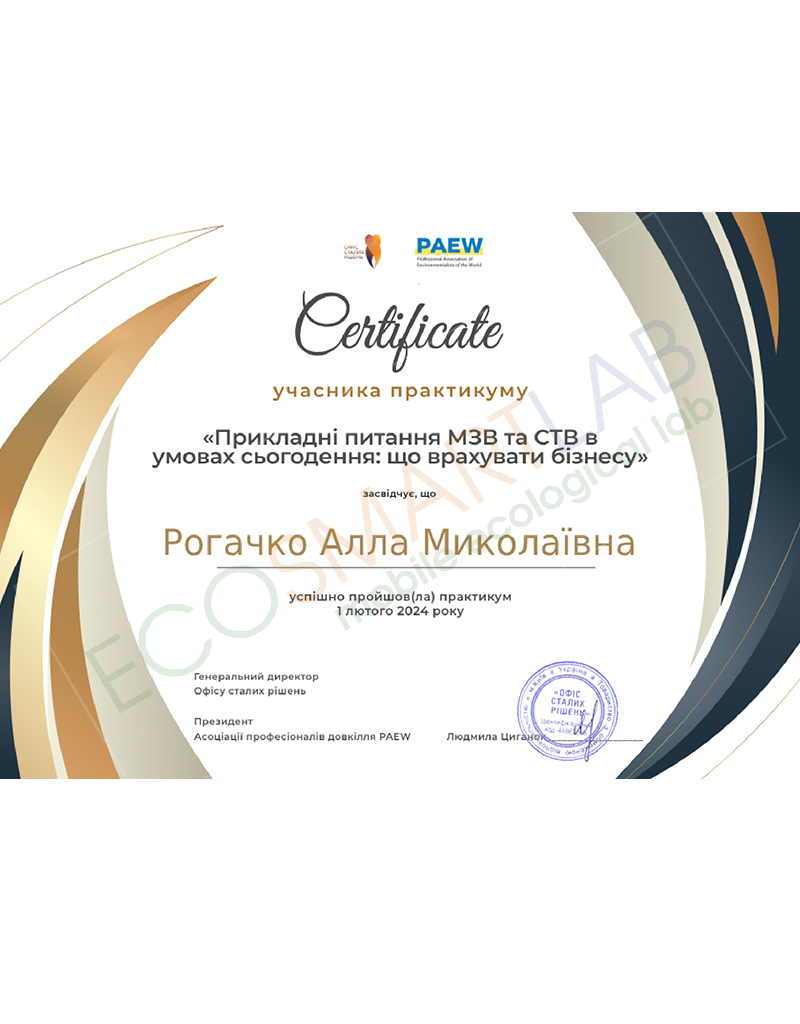
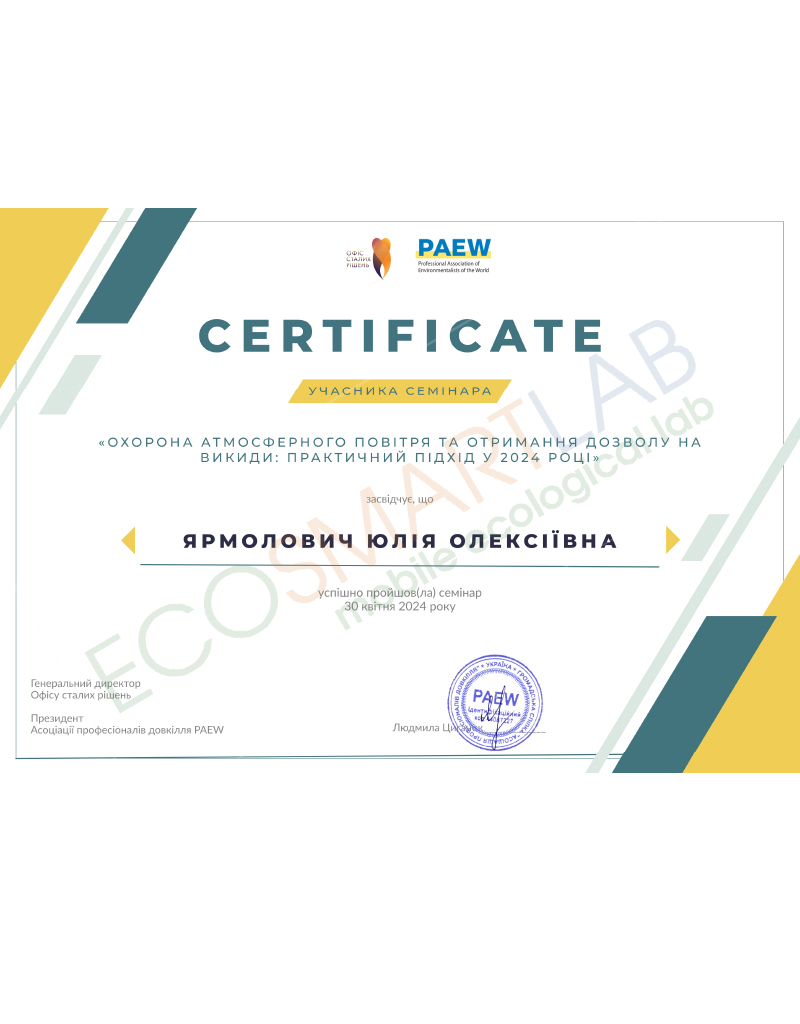
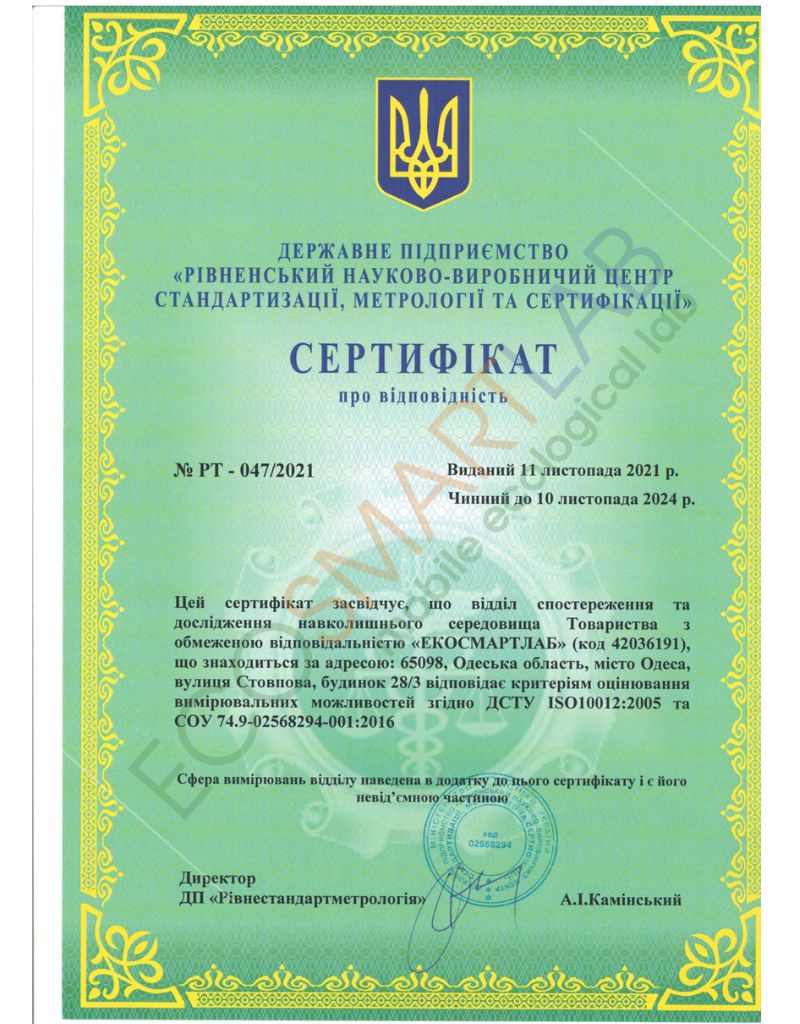
Accreditation
the equipment is certified and authorized
Customers speak
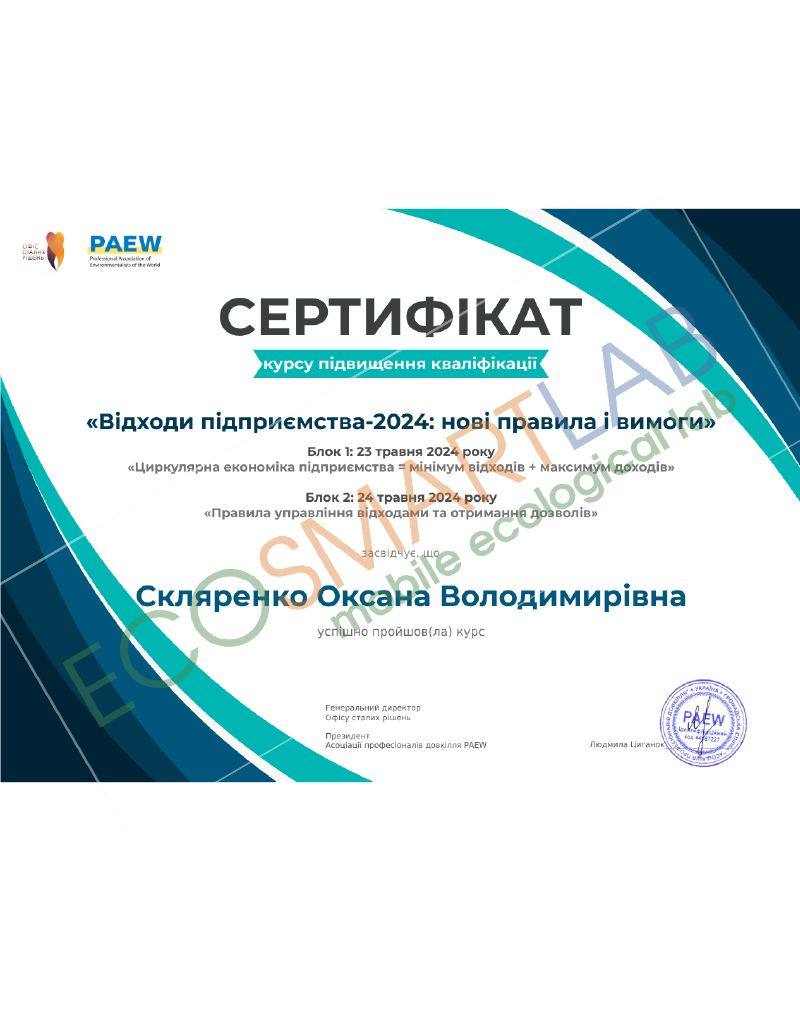
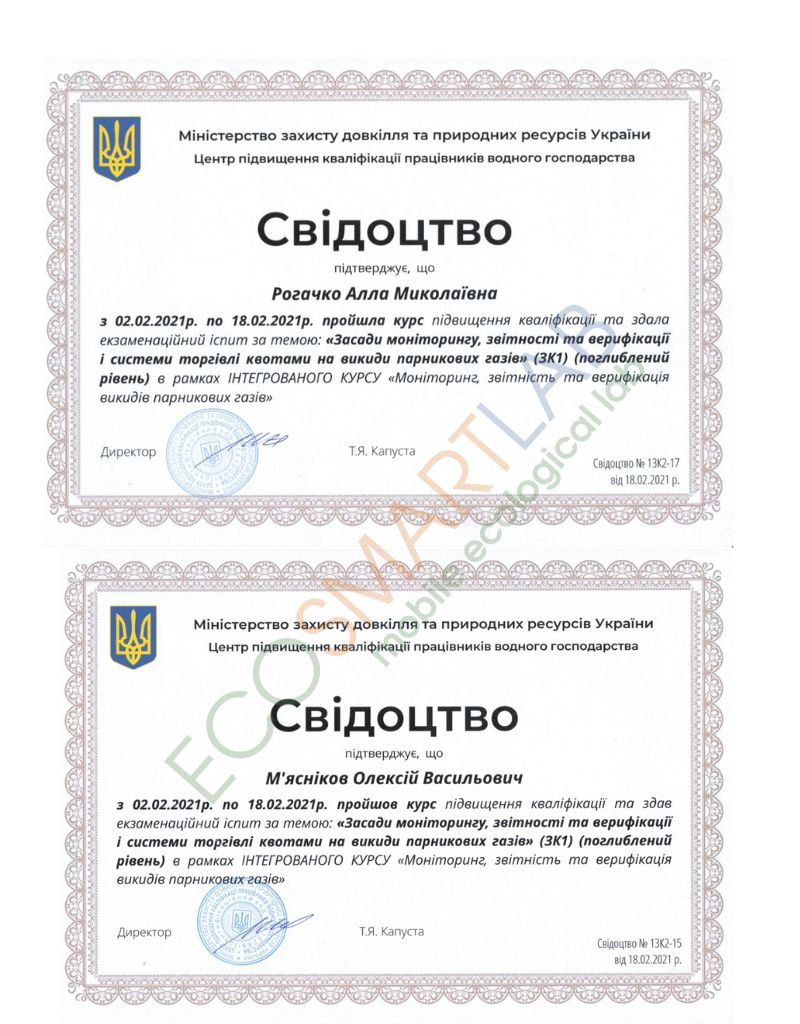
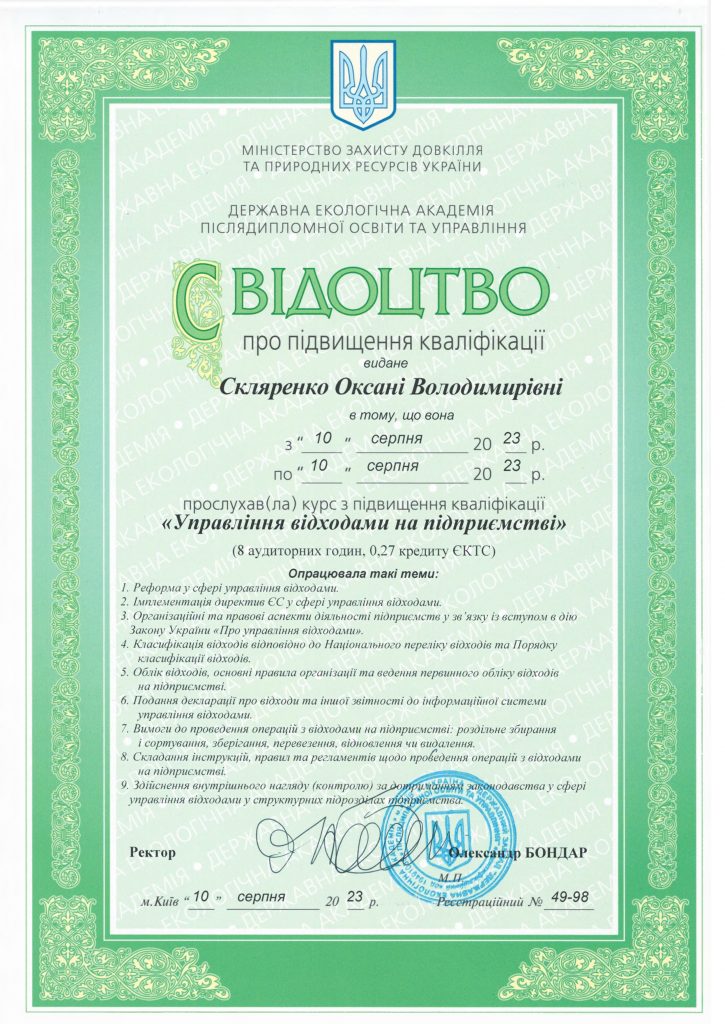
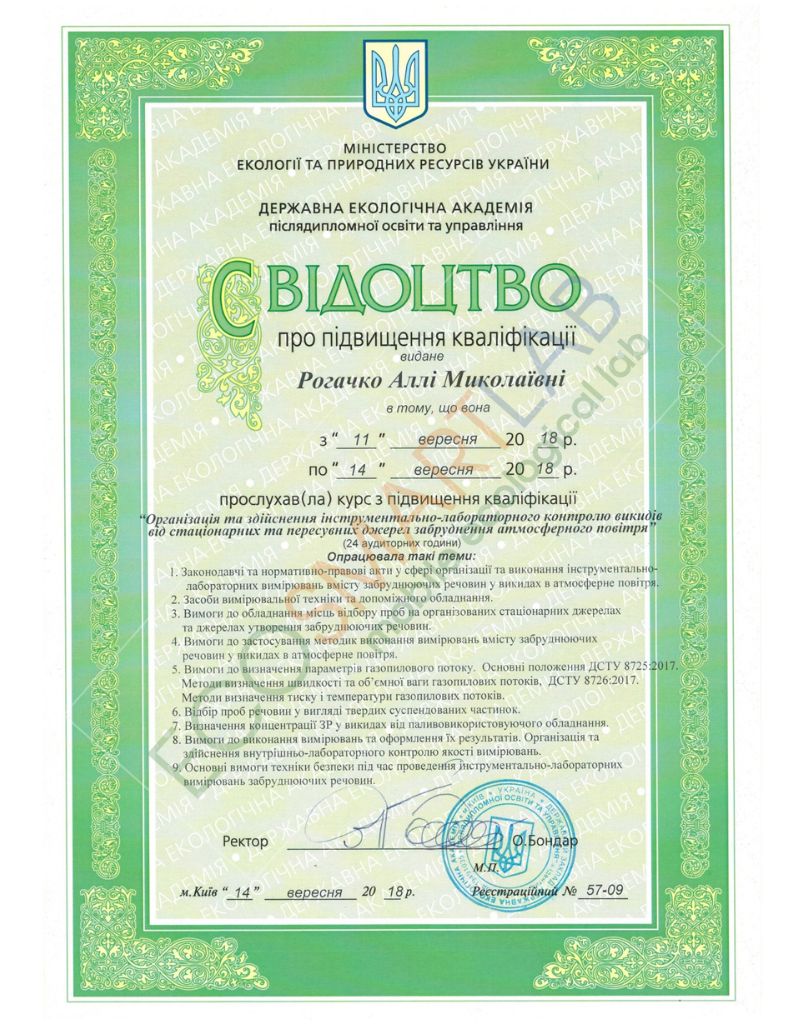
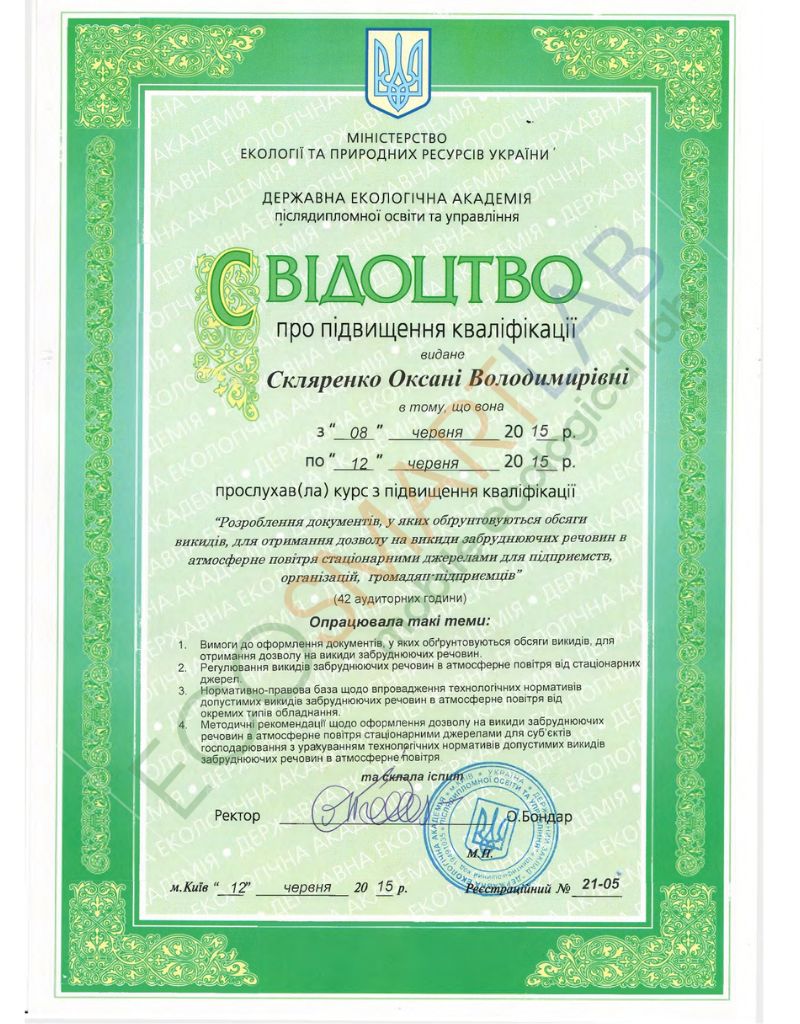
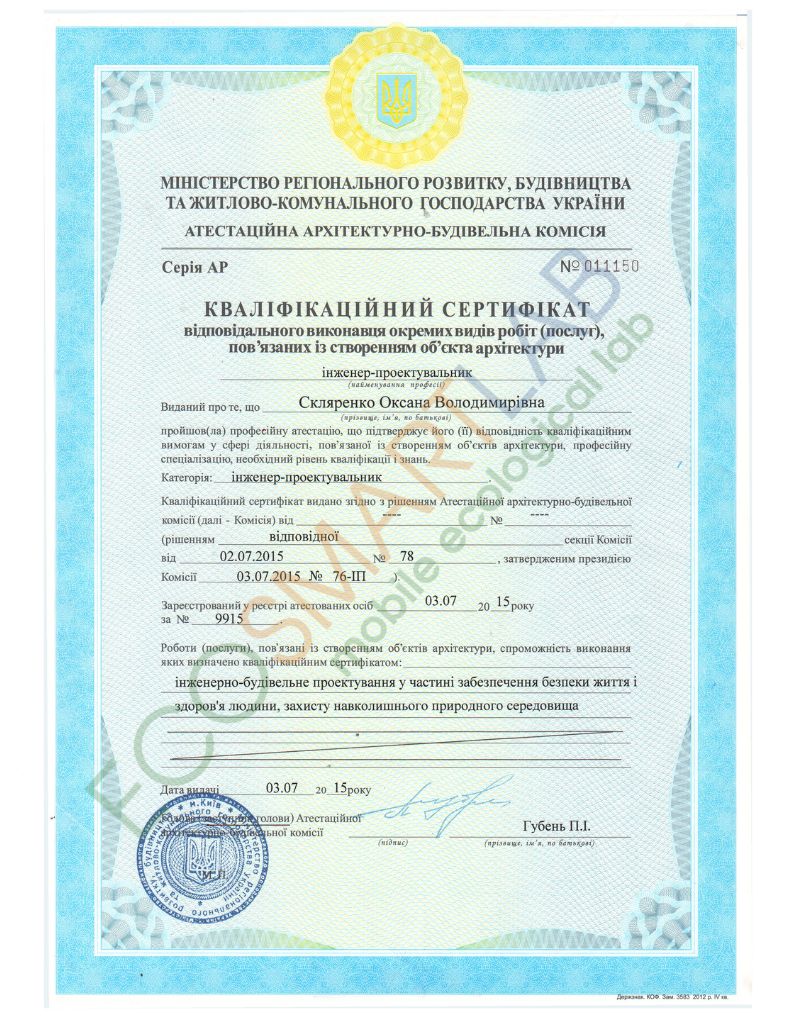
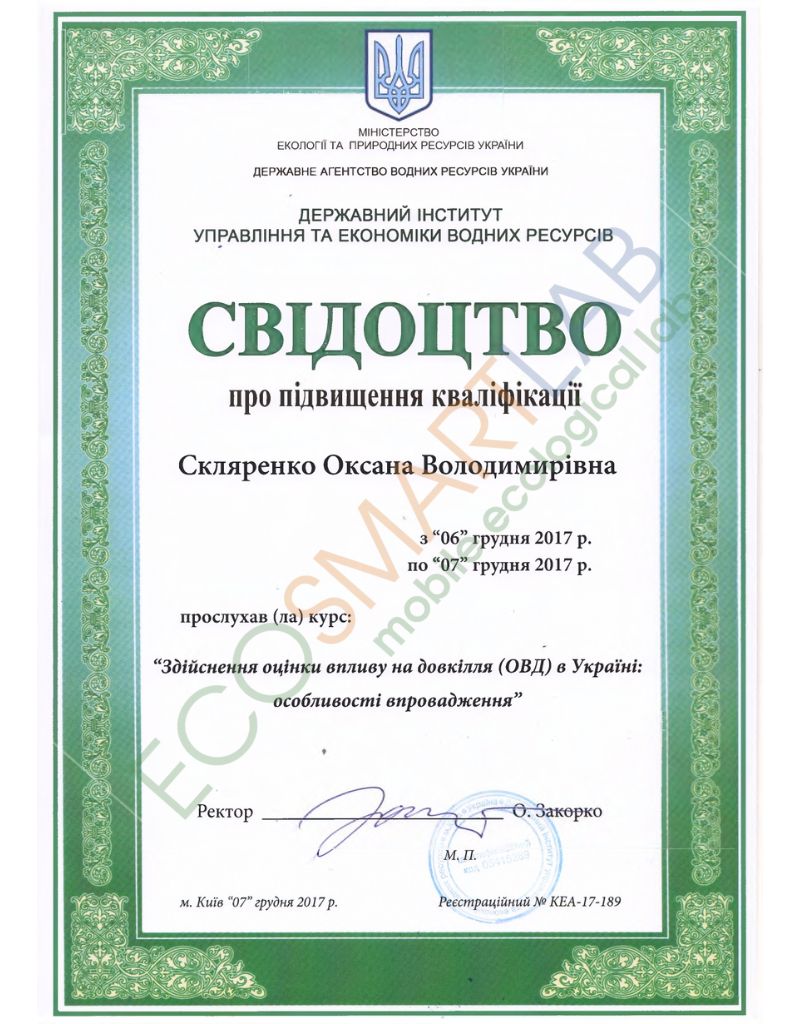
Certificates
Certificates accreditation

© 2022 Ecosmartlab